A Preservation-Minded Look at How Brava Aligns With Historic Standards, Architectural Review Boards & Southern Design Traditions
Historic and architectural districts in Georgia and South Carolina are guided by a single principle: preserve the visual integrity of the community. Roofing materials are among the most carefully controlled components because they shape not only the individual home, but the architectural rhythm of entire streetscapes.
For homeowners in Buckhead, Ansley Park, Brookhaven, Savannah, Charleston, and preservation-focused lake and mountain communities, selecting a new roof is not simply a construction choice — it is an act of stewardship.
Brava Synthetic Shake has become a preferred solution for design boards and historic committees because it preserves architectural authenticity while eliminating the vulnerabilities that make traditional cedar increasingly difficult to approve.
This guide explains why.
1. Why Historic & Architectural Boards Scrutinize Roofing Materials
Historic districts exist to protect:
- Streetscapes
- Sightlines
- Textural continuity
- Architectural proportions
- Period-appropriate expression
Boards typically evaluate roofing materials based on:
- Material authenticity
- Color compatibility with neighboring structures
- Profile, thickness, and shadow line
- Weathering behavior over decades
- Neighborhood cohesion
- Fire performance
- Anticipated maintenance impacts
- Influence on surrounding property values
Cedar has historically been appropriate for many traditional districts. But rising maintenance issues, inconsistent aging, and climate-driven deterioration have made approvals increasingly complex.
Synthetic shake offers the architectural match with none of the long-term risks.
2. How Brava Synthetic Shake Meets Historic Aesthetic Standards
Brava is engineered to replicate cedar’s architectural presence with precision, dimensionality, and natural irregularity — the qualities design boards value most.
Architectural Elements Historic Boards Expect
Brava satisfies each one:
- Deep, varied shadow lines comparable to hand-split cedar
- Multi-width profiles to avoid visual repetition
- Authentic grain and surface texture
- Color blends that mirror both aged and freshly milled cedar
- Dimensional profiles that read correctly from street and pedestrian viewpoints
- Organic variation that avoids the “engineered” or uniform look
Many composites appear too precise or too flat.
Brava maintains a natural architectural rhythm — even at close range — which is why approvals are rising in districts where continuity is essential.
3. Stability & Consistency: Major Factors in Historic Approvals
Historic committees evaluate how a material will behave not just at installation, but across decades.
Cedar’s aging patterns are unpredictable:
- Uneven silvering
- Irregular darkening
- Cupping, curling, and splitting
- Algae streaking
- Loss of dimensional texture in heat cycles
Brava eliminates these concerns:
- Controlled, stable color blends
- Long-term texture retention
- No warping, cupping, or splitting
- Zero moisture absorption
- No premature fading or bleaching
- Minimal maintenance-related visual disruptions
Historic boards increasingly favor materials with predictable, consistent weathering curves — and Brava aligns precisely with that expectation..
4. Performance Advantages That Matter to Historic Committees
Aesthetic accuracy is essential, but preservation districts also consider community-wide risk and long-term stability.
Fire Performance
- Class A or Class C fire rating (assembly dependent)
Critical for tight-lot historic homes with dense tree canopy or mature landscaping.
Wind Resistance
- Withstands 188+ mph uplift
Important for lakefront, coastal, and hilltop districts where wind loading is amplified.
Impact Resistance
- Class 4 impact rating
Reduces repairs and disruptions that can visually interrupt historic streetscapes.
Low Maintenance
Frequent cedar repairs — staining, sealing, board replacement — create ongoing visual and logistical disruption.
Brava significantly reduces these cycles, protecting neighborhood continuity.
5. Why Cedar Is Becoming Harder to Approve in the Southeast
Cedar still appears in some preservation districts, but modern climate conditions and material variability have narrowed the approval window.
Key concerns include:
- Accelerated deterioration from humidity
- Algae streaking and uneven weathering
- Fire performance concerns in dense historic environments
- Recurring staining, sealing, and repair cycles
- Structural strain on older homes when cedar absorbs moisture
- Variability in modern cedar supply and quality
Boards must protect authenticity and longevity.
Synthetic shake increasingly represents the more responsible long-term choice.
6. How Synthetic Shake Aligns With Preservation Guidelines
Most historic guidelines require replacement materials to:
- Replicate the original material’s visual character
- Maintain architectural proportions and massing
- Remain compatible with adjacent contributing properties
- Weather in a predictable, period-appropriate way
- Avoid introducing new risks to the district
- Allow full material reversibility when possible
Brava meets each requirement.
Because installation does not alter structure or massing, reversibility — a core principle in preservation — is fully maintained.
This balance of authenticity and performance is why Brava is approved by some of the Southeast’s strictest architectural review authorities.
7. Approval Path: What Homeowners Should Provide to Committees
A well-prepared submission helps approvals move smoothly and avoids unnecessary revisions.
Material Documentation
- Physical samples in selected color blends
- Profile, width, and texture specifications
- Manufacturer testing and certifications
Visual Evidence
- High-resolution photographs
- Side-by-side comparisons with natural cedar
- Digital renderings to demonstrate sightlines and surface character
Performance Information
- Wind, fire, and impact ratings
- Longevity documentation
- Maintenance expectations
Neighborhood Context
If Brava is already installed elsewhere in the district, photographic documentation accelerates approvals.
Prepared submissions nearly always advance more efficiently.
8. Should You Choose Synthetic Shake for a Historic or Architectural District?
Brava is an excellent choice if you want:
- A roof that maintains architectural authenticity
- Long-term profile and color stability
- Material consistency loved by historic committees
- Reduced maintenance and fewer visible disruptions
- Strong performance in coastal, wooded, or urban environments
- A system aligned with preservation principles and neighborhood character
Every district sets its own review standards, but synthetic shake is increasingly viewed as the most responsible way to preserve traditional architecture without inheriting cedar’s vulnerabilities.
9. Should You Choose Brava Synthetic Shake From an Insurance Perspective?
Brava is a strong option if you want:
- Lower long-term insurance risk
- Fewer storm-related claims
- Predictable, well-documented performance
- A moisture-proof alternative to cedar
- Reliable stability across coastal, wooded, and inland regions
- A material insurers consistently treat more favorably than cedar or asphalt
For many homeowners, choosing Brava is as much a risk-management strategy as it is an architectural one.
Schedule a Private Historic District Consultation
Your home’s architecture and neighborhood context deserve thoughtful evaluation.
A private consultation includes:
- Guidance on board and committee expectations
- Support preparing approval documentation
- Color and profile recommendations
- Architectural review
- Installation timelines and cost expectations
Schedule Your Private Consultation
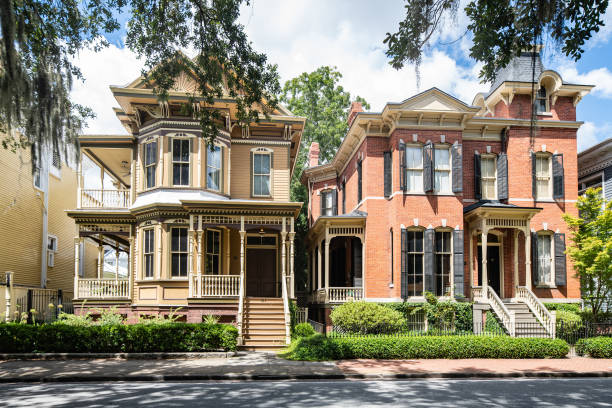
Historic Savannah, GA homes
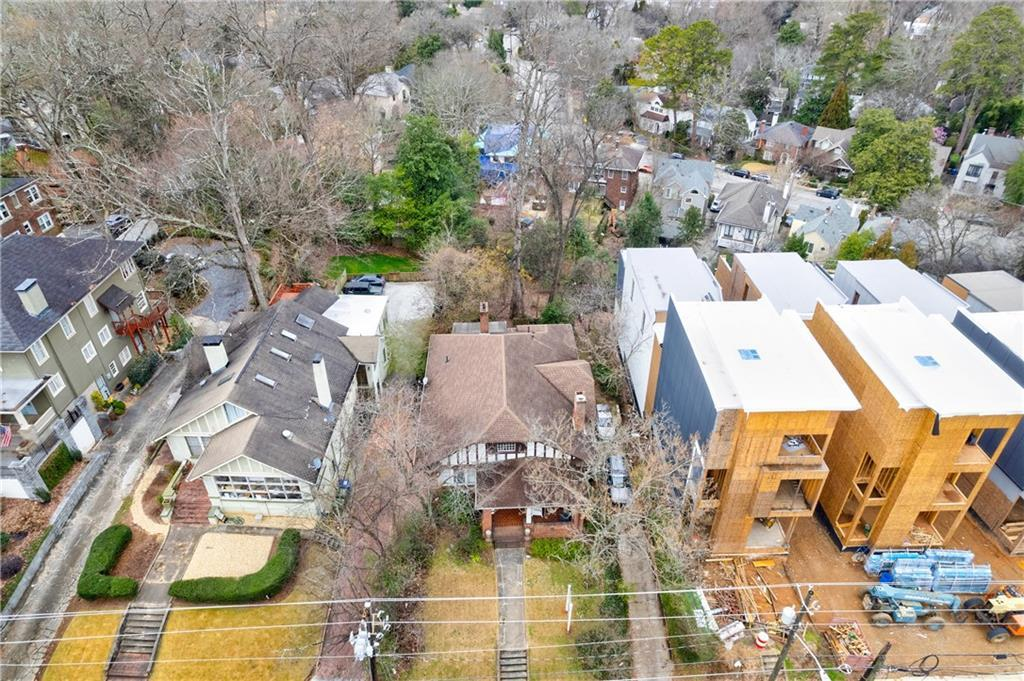
Ansley Park, Atlanta, GA – Old homes that need a new roof, next to new construction homes being built.